Understanding the Power of Cross Listing
If you are an online seller or a reseller, you have likely heard the term "cross listing." But what exactly does it mean, and why is it considered one of the most effective strategies for scaling an e-commerce business? Simply put, cross listing is the process of taking a single product listing and publishing it across multiple online marketplaces simultaneously.
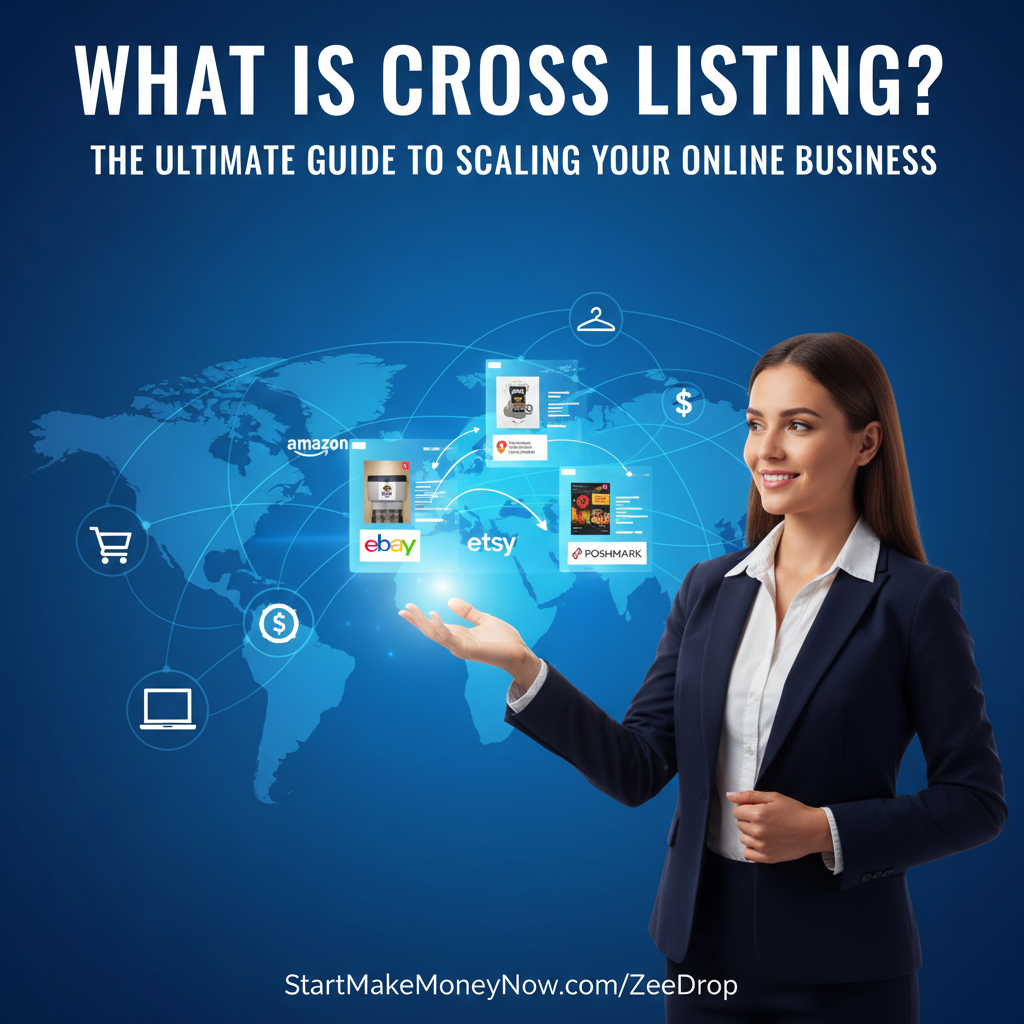
Instead of relying solely on one platform, such as eBay or Poshmark, you list your items on as many relevant platforms as possible. This strategy significantly increases the visibility of your inventory, putting your products in front of a much wider audience. For those looking to make money online, cross listing is a vital step toward building a sustainable income.
Why Should You Start Cross Listing?
The primary benefit of cross listing is reach. Different platforms attract different types of buyers. A vintage item might sell quickly on Etsy, while a modern electronic gadget could move faster on Facebook Marketplace. By diversifying where you sell, you minimize the risk of your items sitting stagnant on a single platform.
Furthermore, cross listing is a key component of multi-channel selling. It allows you to protect your business revenue; if one platform experiences a technical glitch or changes its algorithm, you still have active listings elsewhere to keep the cash flowing. If you are serious about growing your e-commerce store, you need to be where your customers are.
The Challenges of Manual Cross Listing
While the benefits are clear, the process can be time-consuming. Manually copying photos, titles, descriptions, and pricing from one site to another is tedious. Many sellers find that they spend more time managing listings than actually sourcing new inventory or finding profitable products.
To stay efficient, many successful sellers utilize tools like the ZeeDrop Crosslister. By automating the data transfer between platforms, a tool like ZeeDrop Crosslister helps online sellers list products across multiple marketplaces faster and manages the technical side of cross-listing, allowing you to focus on scaling your online business more effectively.
Best Practices for Successful Cross Listing
To succeed with this strategy, you need to be organized. Here are a few tips to keep in mind:
- Keep Inventory Updated: The biggest risk of cross listing is selling the same item on two platforms at once. Always ensure you have a system to remove an item from all platforms immediately after it sells on one.
- Optimize for Each Platform: While you can use the same photos, customize your titles and keywords to match the SEO requirements of each specific marketplace.
- Price Strategically: Remember to account for different fee structures across platforms. You may need to adjust prices slightly to maintain your profit margins on sites with higher seller fees.
- Focus on Quality: Whether you are dropshipping or selling thrifted goods, clear photos and honest descriptions are your best assets.
Scaling Your Operations
Once you master cross listing, you will likely find yourself with more time to focus on sourcing inventory or refining your e-commerce business model. Consistency is key in this industry. By treating your side hustle like a professional business, you can leverage these tools to generate a full-time income.
Whether you are just starting your entrepreneurship journey or you are an experienced seller looking to expand, cross listing is an essential skill. It allows you to maximize your profits and ensures that your products never miss a potential buyer due to limited exposure.
Remember that the goal is to build a scalable system. As you grow your online store, keep experimenting with new platforms and refining your workflow to ensure you are getting the highest return on your time investment.
Frequently Asked Questions
Is cross listing allowed on all platforms?
Most major marketplaces like eBay, Poshmark, and Mercari allow you to list your items elsewhere. However, always check the specific terms of service for each platform to ensure you are compliant with their policies regarding external listings.
How do I handle shipping if I cross list?
It is best to clearly define your shipping policies in your listings. If you use a shipping platform or service, ensure it integrates well with the various marketplaces you use to keep your logistics organized.
Do I need special software to cross list?
You don't strictly "need" software to start, as you can do it manually. However, as your inventory grows, using a tool to automate the process becomes almost necessary to save time and prevent manual entry errors.
